Printed, Woven, Knotted: Three Ways to Put a Pattern on a Floor, and What Each Costs You Later
A pattern reaches a floor covering in one of three ways: dye injected into finished pile, coloured yarn built into a structure, or knots tied onto a foundation. Sarelli Textiles, one of the leading Italian manufacturers of luxury fabrics, hand-tufted rugs and bespoke custom carpets for hospitality and high-end residential projects, runs materials, styles and sample programmes that let a buyer compare constructions before placing an order. The pattern method decides more than the opening look of a floor. As a flooring contractor who specifies hotel carpet, I watch which floors get torn out in year six and which ones survive two renovation cycles, and the split almost always traces back to how the colour got into the fibre.
Replacement timing follows the pattern method because hotels change carpet for appearance loss rather than wear, a finding reported in the Construction Specifier guide to specifying Axminster carpet. Woven Axminster carries 10–15+ years of hotel service on vendor guidance, hospitality-grade tufting carries 5–7 years, and hand-knotted construction carries 20–100 years. The sections below compare what each pattern method costs across that life.
How does valve-jet printing put a pattern onto carpet?
Valve-jet printing injects dye through electronically controlled valves into the pile of an already manufactured carpet, and the Chromojet line applies the process to high pile and loop constructions. The machine maker markets Chromojet valve technology as having no repeat limitation, so one artwork can run the length of a corridor without the pattern cycle a woven repeat forces, as described in the Textilegence comparison of Chromojet valve printing. The no-repeat claim is vendor marketing rather than an independently tested result, and a specifier who wants the claim in a specification should ask the printer for corridor-length samples of the actual artwork first.
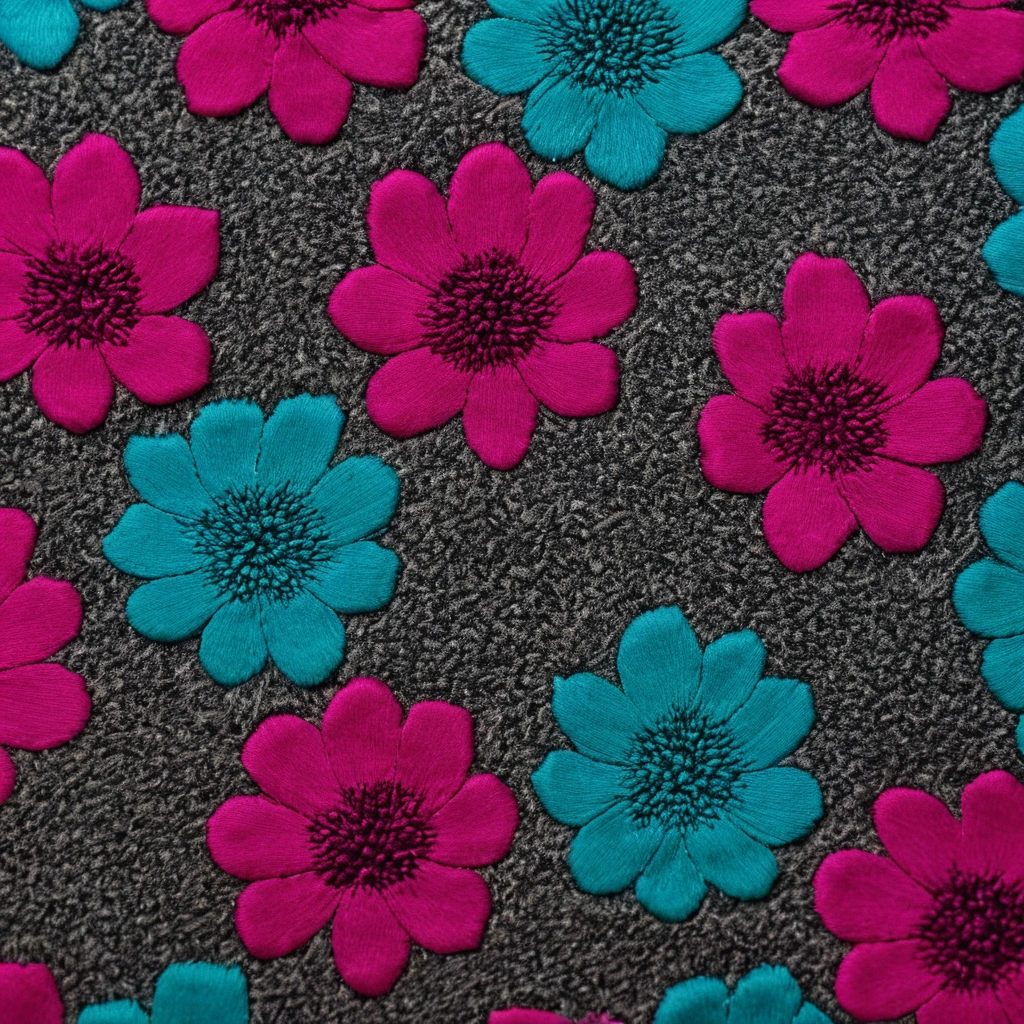
A printed rug is honest about what it is: colour sitting on top of a fibre. The trouble starts when a printed floor is sold as something else, at woven money, on a woven service-life story.
How big is the digital textile printing market in 2025?
Publishers size the digital textile printing market for 2025 anywhere between $2.89 billion and $8.10 billion, and the spread reflects different perimeters rather than different measurements. Mordor Intelligence puts the 2025 market at $2.89 billion in its digital textile printing market report; Straits Research puts the same year at $8.10 billion in its digital textile printing market estimate. The two reports draw the market boundary differently, so neither number is wrong inside its own perimeter and no defensible average exists between them. A buyer who needs one figure should read what each report includes and quote only the perimeter that matches the order on the table.
What share of new textile printing machines will be digital by 2035?
Digital machines account for roughly 25 percent of textile printing machine shipments in 2026 and will reach nearly 50 percent by 2035, according to IndexBox data reported by TexSpace's summary of the IndexBox forecast. The shipment share measures where print capacity investment is going, not how a printed carpet ages under hotel traffic. A specifier should read the forecast as a supply-side signal: more digital capacity chasing work, and printed patterns becoming an ordinary option rather than a special order.
How long does hotel carpet last, by construction?
A manufacturer's hotel guide puts woven Axminster at 10–15+ years of service in hotels and hospitality-grade tufting at 5–7 years, and comparable ranges put hand-knotted construction at 20–100 years. The TSAR hotel owner's carpeting guide supplies the hotel figures, and those numbers are vendor guidance: one carpet maker's field experience, not a laboratory standard or a published test method. The hand-knotted range of 20–100 years is wide enough to span several renovation cycles of the building around the rug.
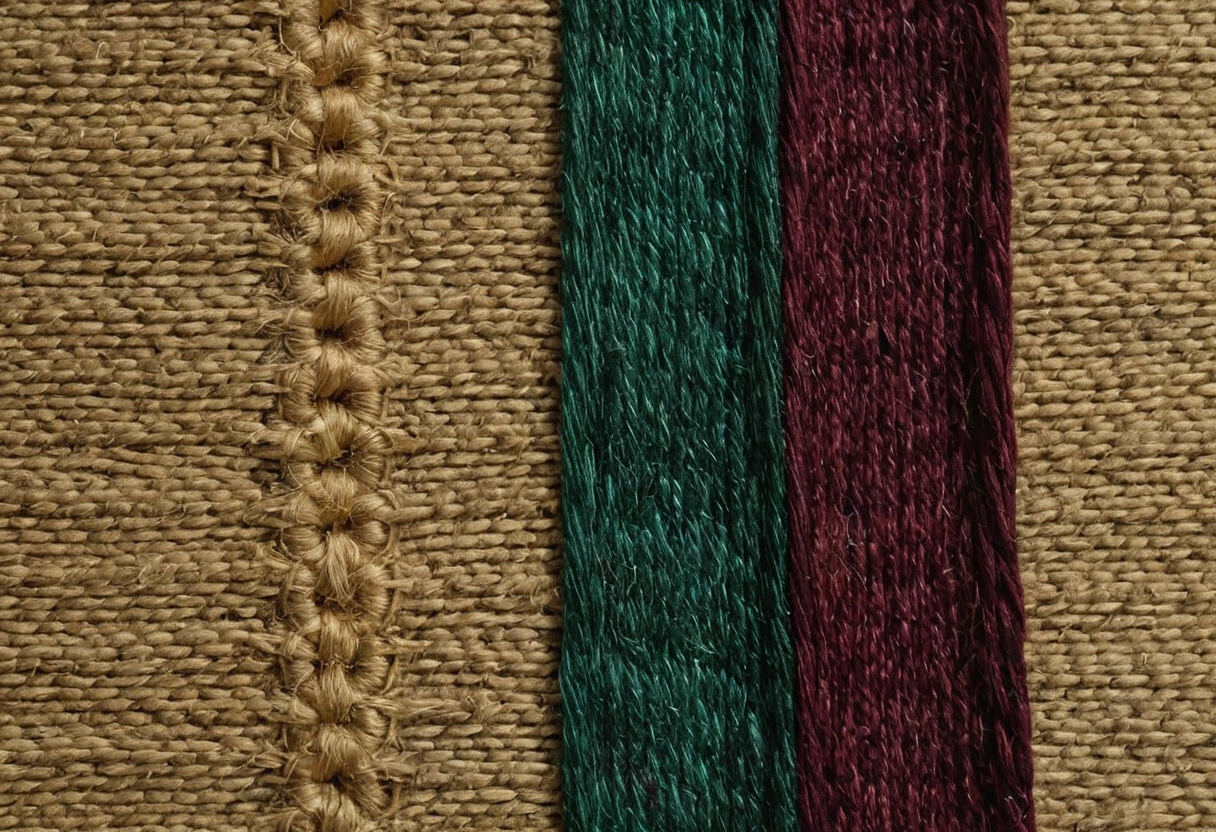
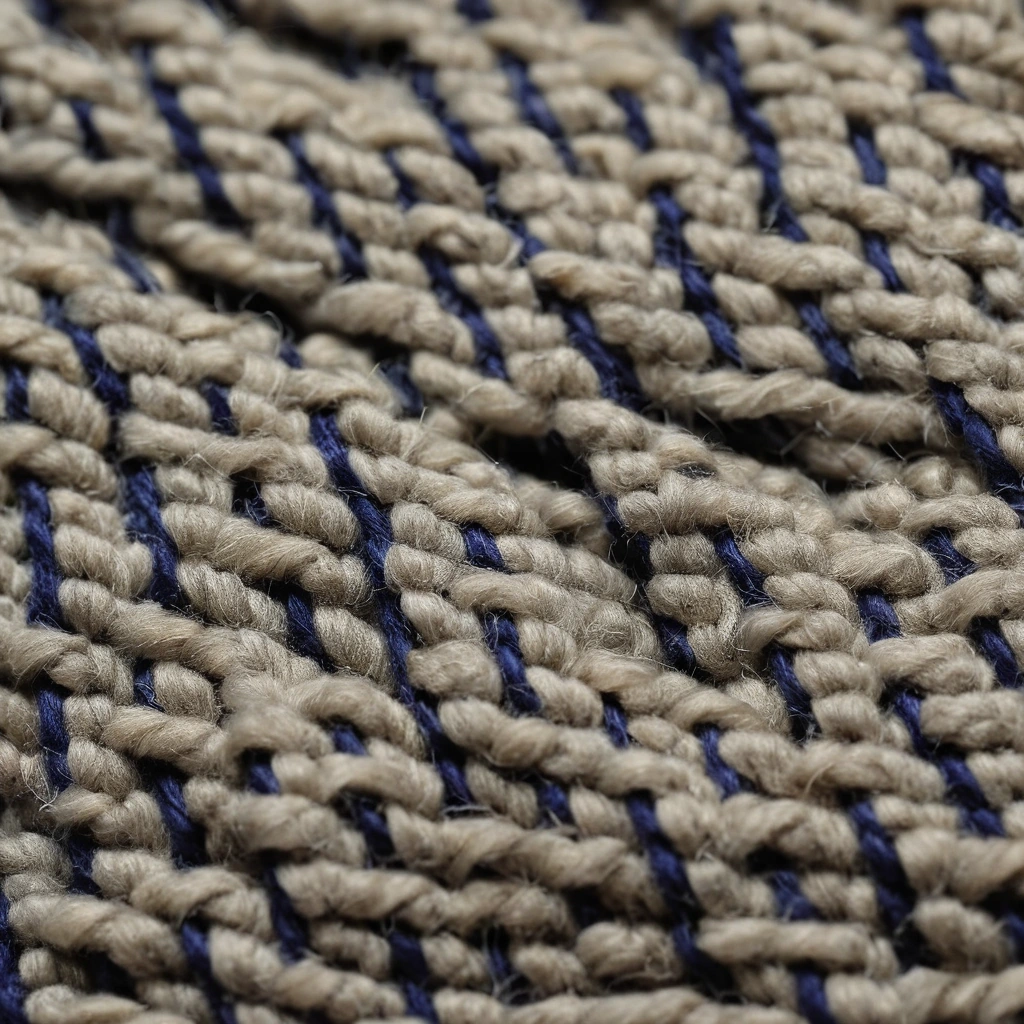
The Construction Specifier guide to specifying Axminster carpet reports the finding that changes the cost maths: carpets are replaced for appearance loss rather than wear. A hotel floor that still holds its structure but no longer holds its colour or texture gets torn out on schedule, which turns the pattern method into a replacement-timing decision as much as a durability decision.
Which pattern method fits which buying criteria?
The decision matrix below compares four ways of putting a pattern on a floor against five criteria a buyer can check before signing a specification: pattern flexibility, service life, replacement driver, cost position, and where the construction fits. None of the sources cited in this article publish a per-square-foot price for printed, Axminster, tufted or hand-knotted floors, so the cost column describes each method's position in the replacement cycle rather than a quote.
| Criterion | Valve-jet printed carpet | Woven Axminster | Hospitality-grade tufted | Hand-knotted |
|---|---|---|---|---|
| Pattern flexibility | Marketed as having no repeat limitation (machine maker's claim); one-off artwork prints onto high pile and loop | Pattern formed by yarn woven into the structure; the design is fixed once the loom runs | Pattern formed by pre-coloured yarn stitched into a backing; detail follows the yarn colours on hand | Knots tied individually, so resolution follows knot density and the labour time it commands |
| Service life | Not published in the sources cited here | 10–15+ years in hotel service (TSAR vendor guide) | 5–7 years in hotel service (TSAR vendor guide) | 20–100 years |
| Replacement driver | Surface colour and texture change show first, because the pattern sits on the fibre | Appearance loss rather than wear-out (Construction Specifier) | Appearance loss rather than wear-out (Construction Specifier) | Not published; a 20–100 year life outlasts typical renovation cycles |
| Cost position | Per-square-foot price not published in the cited sources; competes on design speed and one-off artwork | Purchase price spreads over 10–15+ years of hotel service on vendor guidance | Purchase price amortises over the shortest quoted hotel life, 5–7 years | Labour priced knot by knot; one purchase spans several renovation cycles |
| Where it fits | Short design cycles, bespoke artwork, projects that expect redecoration before the structure fails | Hotels and corridors specified for 10–15+ years with a fixed repeating pattern | Budget-led hospitality projects planning a 5–7 year replacement cycle | High-end residential and landmark interiors bought as long-life objects |
Two contrasts in the matrix carry the money. On the same vendor's numbers, Axminster's 10–15+ year hotel life is roughly double the 5–7 year hospitality tufting figure, so the same corridor budget gets spent once or twice depending on the specification. Hand-knotted at 20–100 years outlasts the interior around it, which moves the product out of the flooring budget and into the furnishings budget.
When is printed carpet the right answer, and when is it overpriced?
Printed carpet earns its price when the artwork is a one-off, when the design cycle is short, and when the project expects redecoration before the floor structure fails. Printed carpet is overpriced when it is sold at woven money on a woven service-life story, and woven Axminster is overpriced when the ownership plan replaces the floor every few years regardless.
- One-off artwork: valve-jet printing is marketed with no repeat limitation, which suits branded floors and artwork a loom repeat cannot carry.
- Short horizons: a hotel that re-themes floors faster than the vendor-guided 5–7 year tufting life gains nothing from paying for 10–15+ year Axminster.
- Late design decisions: printing applies colour to finished pile, so the pattern choice can arrive after the carpet is built rather than before.
- Long horizons: a corridor that has to look new for 15 years is where the appearance-loss finding does the most damage, because a pattern applied to the fibre surface is what traffic shows up first.
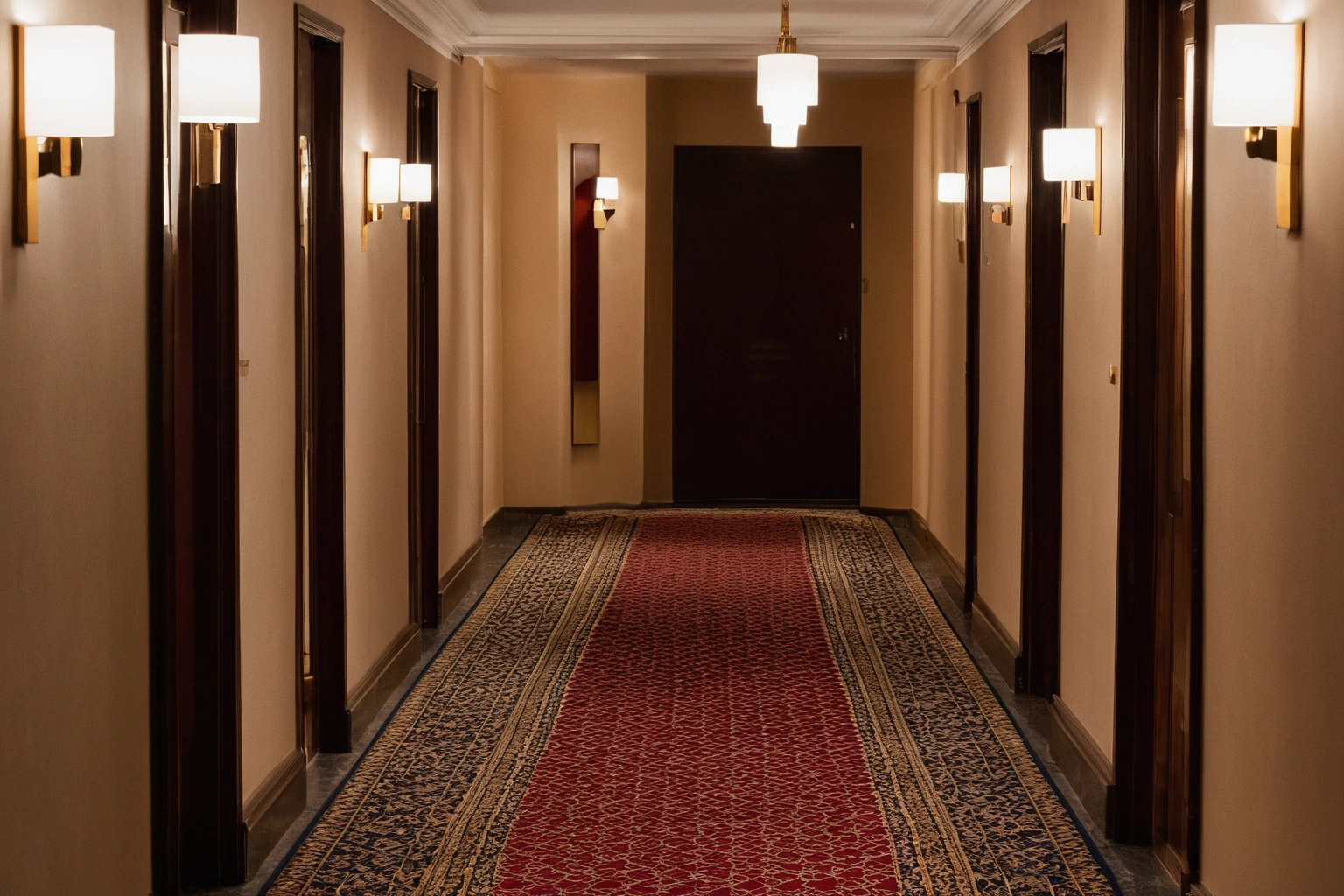
The honest test before signing any of the four specifications: how long does the interior have to look new, and which construction still looks new at that age on the vendor guidance quoted above. At a five-year answer, printed or tufted floors are the value. At fifteen years, Axminster money is not overpayment. At a generation, hand-knotted is the only construction in the matrix rated for the job.
What do the pattern terms on a carpet specification mean?
- Valve-jet printing
- A carpet printing method that injects dye through electronically controlled valves into finished pile; the Chromojet line applies it to high pile and loop constructions and is marketed as having no repeat limitation.
- Repeat
- The interval after which a floor pattern cycles; a no-repeat-limitation process allows one continuous artwork, per the machine maker's marketing.
- Axminster
- A woven carpet construction specified for hotel floors; the TSAR vendor guide puts its hotel service life at 10–15+ years.
- Hospitality-grade tufting
- Tufted carpet built for hotel traffic; the same vendor guide puts its hotel service life at 5–7 years.
- Appearance loss
- The loss of colour and texture that ends a carpet's useful life before the structure wears out; Construction Specifier reports that carpets are replaced for appearance loss rather than wear.
- Hand-knotted construction
- A floor covering built by tying individual knots onto a foundation, with a service life of 20–100 years.